
Are you following the right cybersecurity best practices to protect your business?
For many small and medium-sized businesses in Australia, cybersecurity often becomes a priority only after something goes wrong. From phishing emails to ransomware attacks, even a single vulnerability can lead to serious downtime, data loss, and financial impact.
The good news is that you don’t need a large IT team to improve your security. By applying simple, practical cybersecurity best practices, SMBs can significantly reduce risk and protect their systems, data, and customers. Whether you’re based in Brisbane, the Gold Coast, or the Sunshine Coast, building strong security habits is the first step toward a more resilient business.
Key Takeaways
- Cybersecurity best practices help SMBs reduce risks like phishing, ransomware, and data breaches
- Strong passwords and multi-factor authentication are essential first steps
- Regular updates and system protection prevent vulnerabilities from being exploited
- Employee awareness and simple processes can significantly improve security
- Combining best practices with managed IT services provides stronger, ongoing protection
Essential Cybersecurity Best Practices for SMBs
Strengthen Access and Authentication
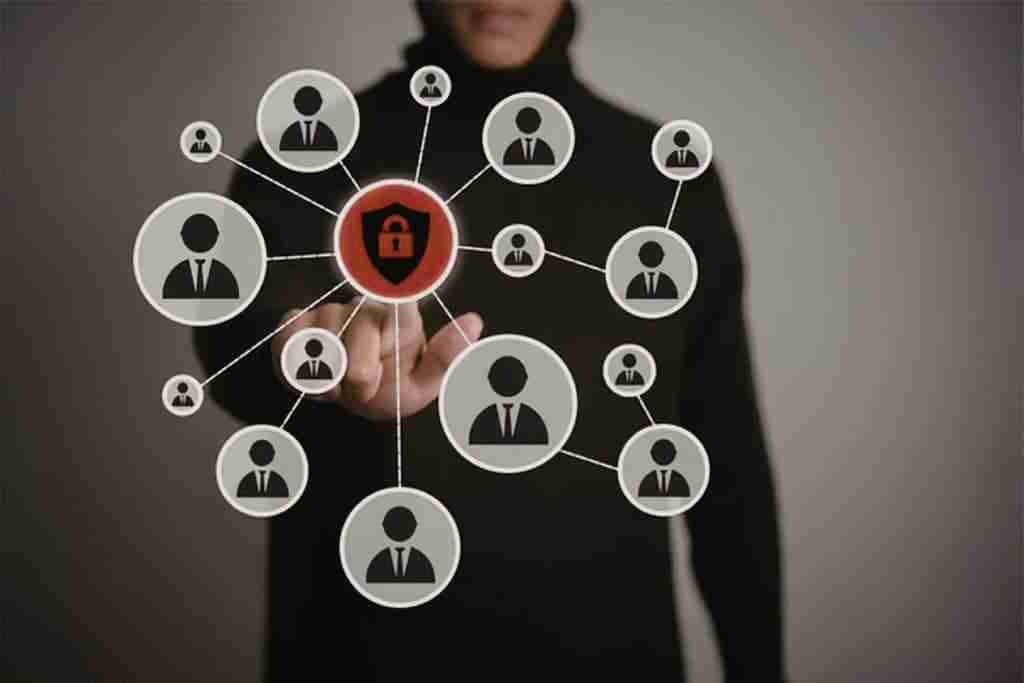
One of the simplest yet most effective ways to improve cybersecurity is by strengthening how users access your systems. Weak or reused passwords are still one of the most common causes of breaches, especially in small businesses where security policies may not be strictly enforced.
Using strong, unique passwords for each account reduces the risk of attackers gaining access through credential leaks. Password managers can help your team securely store and manage these credentials without relying on memory or unsafe practices like writing them down.
Adding an extra layer of protection through two-factor authentication (2FA or MFA) makes it significantly harder for attackers to access accounts, even if passwords are compromised. For SMBs, these simple steps provide a strong foundation for protecting sensitive systems and data.
Keep Systems Updated and Protected
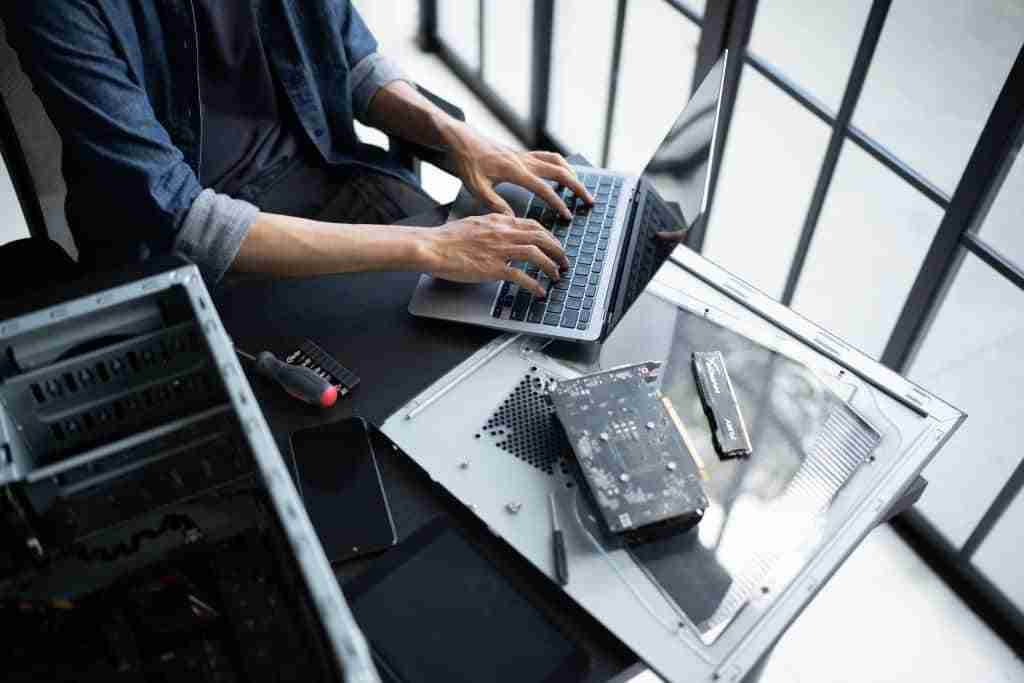
Outdated software is one of the easiest entry points for cyber attacks. Operating systems, applications, and antivirus tools all require regular updates to fix security vulnerabilities and improve protection against new threats, in line with the Essential Eight cybersecurity framework.
Firewalls and endpoint protection tools add another layer of defence by monitoring incoming and outgoing traffic and blocking suspicious activity. However, these systems need to be properly configured and consistently maintained to remain effective.
For many SMBs, managing updates and security tools manually can be time-consuming and inconsistent. This is where proactive support such as IT monitoring and maintenance becomes valuable, ensuring systems stay updated, protected, and secure without disrupting daily operations.
Protect Your Data
Protecting your business data is just as important as securing access to your systems. Sensitive information such as customer details, financial records, and internal documents should be encrypted both at rest and in transit. This ensures that even if data is intercepted or accessed without permission, it cannot be easily read or misused.
Regular backups are equally critical. In the event of ransomware, system failure, or accidental deletion, having secure and up-to-date backups allows your business to recover quickly without major disruption. For SMBs, using reliable cloud solutions makes it easier to automate backups, protect data, and ensure access when it’s needed most.
Train Your Team to Reduce Risk

Your employees play a key role in your cybersecurity, and without proper awareness, they can unintentionally create vulnerabilities. Phishing emails, suspicious links, and social engineering attacks are some of the most common ways attackers gain access to business systems.
Providing regular training helps your team recognise these threats and respond appropriately. This includes identifying suspicious emails, avoiding unsafe downloads, and following basic security practices. Building this awareness reduces the risk of human error and strengthens your overall defence. Aligning this with a clear IT strategy and planning approach ensures security is built into your day-to-day operations.
Prepare for Cyber Incidents
Even with strong preventative measures in place, no system is completely immune to cyber threats. That’s why having a clear incident response plan is essential for minimising damage and recovering quickly.
This includes defining how to respond to a breach, who is responsible for each action, and how systems and data will be restored. A strong recovery process, combined with business continuity planning, ensures your operations can continue with minimal disruption.
For SMBs, working with providers offering managed IT services in Brisbane can help ensure you have the right systems, processes, and support in place to respond effectively when incidents occur.
Why Cybersecurity Best Practices Matter for SMBs

SMBs Are Prime Targets
Small and medium-sized businesses are often seen as easy targets by cyber criminals. Unlike larger organisations, SMBs typically have fewer security systems in place and less dedicated IT support, making it easier for attackers to find and exploit vulnerabilities.
Without strong cybersecurity best practices, even simple threats like phishing emails or weak passwords can lead to unauthorised access. By strengthening your security foundation and using proactive solutions such as IT monitoring and maintenance Brisbane, SMBs can significantly reduce their exposure to everyday cyber risks.
Small Issues Can Cause Major Downtime
In many cases, cyber incidents start small but quickly escalate into serious business disruptions. A single phishing email or unpatched system can lead to ransomware attacks, data loss, or complete system outages.
For SMBs, this often results in downtime, lost revenue, and damage to customer trust. Having the right security measures in place helps prevent these issues before they affect your operations. Businesses that invest in reliable cybersecurity services across locations like Gold Coast and Sunshine Coast are better equipped to maintain continuity and minimise disruption.
Prevention Is More Cost-Effective Than Recovery
Recovering from a cyber attack can be significantly more expensive than preventing one in the first place. Costs can include system repairs, data recovery, lost productivity, and even reputational damage that impacts future business opportunities.
By following cybersecurity best practices, SMBs can reduce the likelihood of incidents and avoid these unexpected expenses. Investing in proactive security measures and ongoing support allows businesses to stay protected, maintain stability, and focus on growth rather than recovery.
Common Cybersecurity Mistakes SMBs Make
Reusing Passwords
One of the most common mistakes small businesses make is reusing the same passwords across multiple accounts. While it may seem convenient, it creates a major security risk. If one account is compromised, attackers can potentially access multiple systems using the same credentials.
Using unique passwords for each account, combined with a password manager and multi-factor authentication, significantly reduces this risk and strengthens your overall security.
Ignoring Updates
Delaying or ignoring software updates leaves your systems exposed to known vulnerabilities. Cyber criminals actively target outdated software because these weaknesses are easy to exploit.
Regularly updating your operating systems, applications, and security tools ensures that known security gaps are patched. For SMBs, keeping everything up to date is one of the simplest ways to prevent avoidable cyber incidents.
No Backups
Failing to maintain regular backups can have serious consequences if data is lost due to ransomware, system failure, or human error. Without backups, recovery can be slow, expensive, or even impossible.
Having secure, automated backups in place ensures your business can recover quickly and continue operating with minimal disruption, even after a cyber incident.
Relying Only on Antivirus

While antivirus software is important, it is not enough on its own to protect your business. Modern cyber threats often bypass basic antivirus tools, especially when attacks involve phishing, social engineering, or advanced malware.
A layered approach to security, including firewalls, monitoring, and access controls, is essential for protecting your systems effectively.
No Incident Response Plan
Many SMBs don’t have a clear plan for what to do when a cyber incident occurs. This can lead to confusion, delayed responses, and greater damage during an attack.
Having a simple incident response plan in place ensures your team knows how to act quickly, contain the issue, and begin recovery. This reduces downtime and helps protect your business from long-term impact.

Need Reliable IT Without the Surprise Costs?
With XCD IT, you get fully managed IT support for around $100–$250/month per user, with no hidden costs or unexpected bills.
Call 07 3085 7447
For urgent IT issues or immediate assistance
Our support team is ready to help.
Frequently Asked Questions

- 8+ Best Cybersecurity Companies in Brisbane (2026 Guide for SMBs) - November 7, 2026
- 20 Best Managed IT Service Companies in Brisbane (2026 Guide for SMBs) - November 7, 2026
- Co-Managed IT: How It Works With Your In-House IT Team - November 4, 2026


