
Does your business have a cybersecurity policy in place to protect it from today’s threats?
To build a cybersecurity policy, start by identifying your business assets and assessing risk, then set clear rules for access, passwords, email use, data handling, device and network security, incident response, and staff training, with regular reviews to keep the policy current.
For many small and medium-sized businesses in Australia, cyber security is still reactive — something addressed only after an issue occurs. From phishing emails to ransomware attacks, even a small gap in your security can lead to data breaches, downtime, compliance issues, operational disruption, and financial damage.
For SMBs in Brisbane, the Gold Coast, the Sunshine Coast, or Sydney — especially those relying on managed IT support or without an internal IT team — a cybersecurity policy gives your business a practical framework for protecting systems, data, and staff before problems escalate.
This guide explains the key steps to create that policy, where common mistakes happen, and how a well-defined approach helps reduce security risks, support business continuity, and align with Australian security expectations.
Key Takeaways
- A cybersecurity policy helps SMBs prevent and respond to common cyber threats
- Clear rules around access, data handling, and backups reduce risk significantly
- Policies improve response time and minimise business disruption during incidents
- Following frameworks like the Essential Eight supports compliance in Australia
- Combining a policy with managed cyber security services provides stronger protection
6 Steps to Create a Cybersecurity Policy
Step 1: Identify Critical Assets and Assess Cyber Risks

Start by identifying what your business needs to protect. This risk assessment should cover customer data, corporate data, financial records, internal documents, devices, and cloud systems, including critical systems and critical data. Once you have a clear list of assets, assess the most common threats they face, such as phishing emails, ransomware attacks, and unauthorised access, so you can prioritize security measures based on the most critical vulnerabilities and threats.
Understanding both your assets and potential risks allows you to build a policy that focuses on real vulnerabilities, reduces cyber risks, and lowers the odds that sensitive data or corporate data ends up exposed in a data breach — rather than relying on generic security advice.
Step 2: Define Access Control and Password Rules
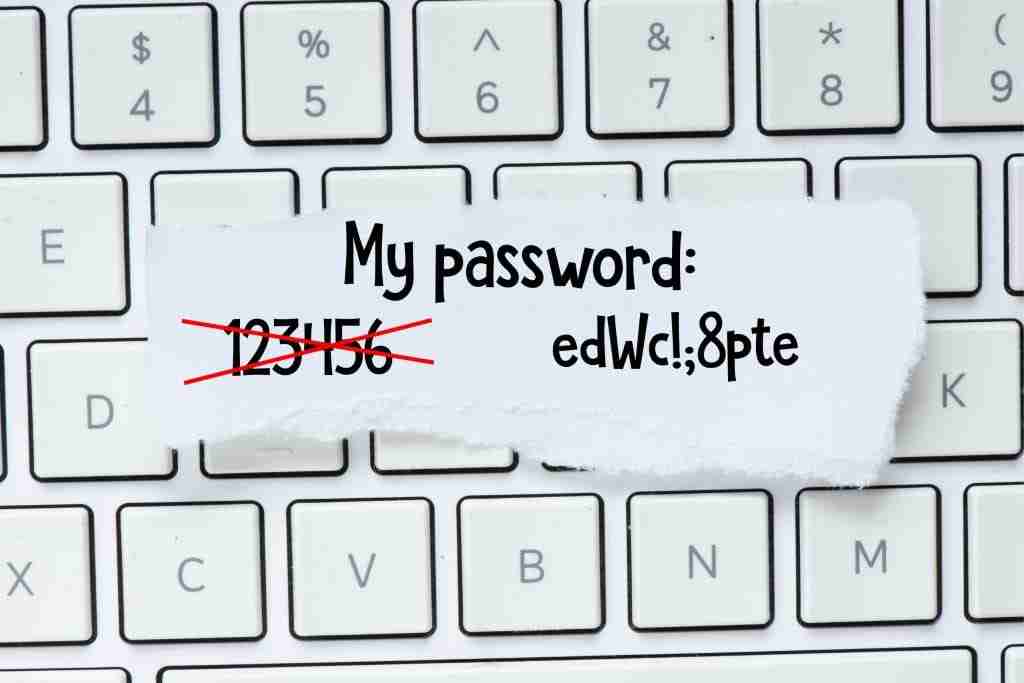
Strong access control is the foundation of any cybersecurity policy. Your access control policy should set clear rules for password management, including creating strong, unique passwords, and require multi-factor authentication (MFA) wherever possible. This significantly reduces the risk of unauthorised access.
You should also follow the principle of least privilege — using role-based access controls so employees only have access to the systems and data they need for their role — and review who has been granted access on a regular basis. For SMBs, combining these rules with proactive support such as IT monitoring and maintenance helps ensure access controls remain secure and consistently managed.
Step 3: Set Rules for Emails and Data Handling

Emails are one of the most common entry points for cyber attacks, especially phishing. Your policy should clearly define how employees identify suspicious emails, handle attachments, and report phishing emails or report suspicious emails through the right channel as soon as they’re spotted.
You should also establish rules for secure data handling, including how confidential data, sensitive data, and corporate data are stored, shared, and classified based on sensitivity. Clear handling rules also help protect digital assets. Using reliable cloud solutions can help ensure data is stored securely and accessed only by authorised users.
Step 4: Secure Devices, Networks, and Organisational Systems

Every device connected to your organisation’s network can be a potential entry point for malicious actors. Your policy should require regular updates for operating systems and software to fix known vulnerabilities, and the device rules should also protect devices that connect to the organization’s network, including mobile devices and other organisational systems employees rely on day to day.
In addition, tools such as firewalls, endpoint protection, antivirus software, and network segmentation help contain threats and stop malicious actors from moving freely across your network if one device is compromised. For SMBs, using services like IT monitoring and maintenance ensures these protections are consistently applied and kept up to date.
Step 5: Create an Incident Response Plan

Even with strong security measures, security incidents can still happen. Your cybersecurity policy should include clear incident response procedures for detecting, responding to, and recovering from cyber threats, including how to handle a cyber attack or data breach.
This includes identifying early warning signs, isolating affected systems, allocating resources to the response effort, and restoring data from backups. Assigning clear roles and defined response steps helps limit security breaches by ensuring everyone knows their responsibilities during an incident. Working with providers offering managed IT services in Brisbane can help ensure your response plan is effective and supported when needed.
Step 6: Train Your Team and Review Regularly

Your policy is only effective if your team understands and follows it. Regular employee training helps employees recognise threats such as phishing, reduce human error, and follow best practices in their daily work — including knowing how to report phishing emails immediately. Role-specific training helps different positions handle their own risks, including areas such as network security.
Keeping cybersecurity policies current requires regular reviews and updates to address new threats and ensure the policy remains relevant. Aligning this process with a structured IT strategy and planning approach ensures your cybersecurity measures continue to support your business as it grows.
Why SMBs Need a Cyber Security Policy

Protect Your Business from Everyday Cyber Attacks
Small businesses face the same cyber threats as larger organisations but often without the same level of protection. Phishing emails, ransomware attacks, and data breaches are among the most common risks, and they don’t require sophisticated systems to succeed – just a single weak point.
A cybersecurity policy helps define clear rules for identifying and preventing these threats. Clear rules also keep employees aware of security risks and expected behaviour. By setting standards for passwords, email use, and system access, your business becomes less vulnerable to everyday cyber attacks that can otherwise slip through unnoticed, protecting business operations as well as systems.
Reduce Downtime and Financial Loss

When a cyber incident occurs, the speed of your response can make a significant difference. Without a clear plan in place, businesses often face longer downtime, higher recovery costs, and greater disruption to operations.
A cybersecurity policy ensures everyone knows what to do if something goes wrong. From isolating affected systems to restoring data from backups, having defined incident response procedures allows your business to respond quickly and minimise damage. This not only protects your revenue but also ensures business continuity and helps maintain customer trust.
Stay Compliant with Australian and International Security Requirements
For Australian SMBs, following recognised frameworks like the Essential Eight is key to improving cyber security and meeting compliance expectations, but it should also support broader regulatory compliance with standards and laws relevant to your business.
These guidelines focus on practical security requirements such as multi-factor authentication, regular updates, secure backups, and other technical safeguards.
The same principle applies internationally: compliance with GDPR mandates stringent data protection measures for any business handling EU customer data, and HIPAA requires healthcare organisations to implement specific safeguards to protect sensitive information.
A well-structured cybersecurity policy helps translate these standards into everyday actions within your business. It ensures your team consistently follows best practices and makes it easier to maintain a secure and compliant IT environment, which can help avoid legal penalties and protect your reputation.
Businesses that invest in professional support, such as cybersecurity services on the Gold Coast and cybersecurity services on the Sunshine Coast, can further strengthen their compliance and overall protection.
What to Prepare Before Creating Your Policy

Identify Your Business Assets
Before creating a cybersecurity policy, it’s important to understand exactly what you’re protecting. This includes your business data, including sensitive data and critical data such as customer information and financial records, devices (laptops, phones, and servers), and organisational systems (email platforms, cloud storage, and software tools).
By identifying these assets, you can prioritise what needs the most protection and support risk management by showing what matters most. For SMBs, this step helps avoid generic policies and instead creates a more practical, tailored approach to security.
Review Your Current Security Setup
Once you’ve identified your assets, the next step is to assess your current security setup by reviewing your current security policies and access control policy. Many SMBs unknowingly operate with vulnerabilities such as weak or reused passwords, no multi-factor authentication (MFA), broad role-based access controls that grant more access than needed, or outdated software that hasn’t been patched, so this review should also identify potential threats, insider threats, and user behavior issues that increase security risks.
Reviewing these gaps early, and supporting that view with regular risk assessments, allows you to address the most critical risks before building your policy. This ensures your cybersecurity policy is based on real-world issues within your business, rather than assumptions.
Use Trusted Templates and Frameworks
You don’t need to create a cybersecurity policy from scratch. Using trusted frameworks and templates can help you build a comprehensive cyber security policy faster while still covering essential security requirements.
For Australian SMBs, the Essential Eight cybersecurity framework provides practical, government-backed guidance on improving security through measures like access control, patching, and backups. Using this as a foundation makes it easier to shape the key elements and key components with input from IT teams, legal teams, and compliance officers, so the end result is a successful cyber security policy rather than a generic template.
Common Cybersecurity Policy Mistakes SMBs Make

Overcomplicating the Policy
One of the biggest mistakes SMBs make is creating a cybersecurity policy that is too complex or technical. If your team doesn’t understand it, they won’t follow it.
A good policy should be clear, practical, and easy to apply in day-to-day work while supporting maintaining security. Keeping it simple ensures employees can quickly recognise risks and follow the right actions without confusion.
Not Training Staff
Even the best cybersecurity policy won’t work if your team isn’t aware of it. Many breaches stem from human error, especially when employees don’t recognise phishing emails or follow secure practices.
Regular training ensures your team understands the policy and knows how to respond to potential threats, including how to report suspicious emails as soon as they see them. It should sit within broader cyber security policies, not be treated as a one-off activity. This turns your employees into an active part of your security rather than a weak point.
Not Updating the Policy
Cyber threats evolve constantly, but many SMBs create a policy once and never revisit it. Regular reviews help ensure your cyber security policy stays current against evolving threats.
Reviewing and updating your policy regularly ensures it remains relevant as risks and requirements change, and continues to protect your business effectively.
No Enforcement or Accountability
A cybersecurity policy without enforcement is ineffective. If there are no clear responsibilities or consequences, employees may ignore important security practices.
Assigning ownership and setting clear expectations — including who has granted access to which systems — helps ensure the policy is followed consistently across your business. Accountability may also extend to external stakeholders who access systems or data, especially when contractors or suppliers use personal devices.
Ignoring Backups and Recovery
Some businesses focus heavily on prevention but overlook recovery. Without proper backups and a clear recovery process, even a small security incident can lead to significant data loss and downtime.
Including backup procedures, recovery steps, and a plan to allocate resources quickly in your policy ensures your business can quickly recover and continue operating after an incident.

Need Reliable IT Without the Surprise Costs?
With XCD IT, you get fully managed IT support for around $100–$250/month per user, with no hidden costs or unexpected bills.
Call 07 3085 7447
For urgent IT issues or immediate assistance
Our support team is ready to help.
Frequently Asked Questions
Conclusion
Creating a comprehensive security policy doesn’t have to be complicated. By following a simple, structured approach, SMBs can build a strong foundation that protects their systems, data, and business operations from common cyber threats.
While a policy helps define clear rules and improve awareness, ongoing protection is just as important to maintain a strong security posture as threats change. Combining your cybersecurity policy with expert support ensures your business stays secure, compliant, and prepared for evolving risks.
If you’re looking to strengthen your security further, working with a trusted provider like XCD IT can help you implement, manage, and maintain the right solutions for your business across Brisbane, the Gold Coast, and the Sunshine Coast.

- 8+ Best Cybersecurity Companies in Brisbane (2026 Guide for SMBs) - November 7, 2026
- 20 Best Managed IT Service Companies in Brisbane (2026 Guide for SMBs) - November 7, 2026
- Co-Managed IT: How It Works With Your In-House IT Team - November 4, 2026


