
Are you using AI in Cybersecurity for SMBs in Australia to protect your business, or are cyber threats evolving faster than your current security can keep up?
For many small and medium businesses, traditional security tools are no longer enough. As emerging threats become more advanced and harder to detect, AI systems are helping SMBs improve visibility, respond faster, and reduce risk without needing large internal security teams.
At XCD IT Brisbane, we help businesses use AI-driven security to stay protected in an increasingly complex digital environment.
Key Takeaways: AI in Cybersecurity Solution
- Using AI in cybersecurity helps SMBs detect and respond to cyber threats faster
- It improves visibility across email, cloud security platforms, and user behavior
- AI reduces reliance on manual monitoring and small cybersecurity teams
- It is especially effective for phishing detection and identifying sensitive data exposure
- The best results come from combining AI tools with human oversight from security professionals
Why Are SMBs in Australia Using AI in Cybersecurity
Artificial intelligence is becoming a practical solution for SMBs that need stronger network security without increasing complexity. As cyber risks rise and resources remain limited, businesses are turning to AI technologies to improve how they monitor and respond to threats.
Growing Cyber Threats Targeting SMBs
Cybercriminals are increasingly targeting SMBs because they are often easier to breach than larger organisations. Phishing attacks, ransomware, and credential theft are becoming more sophisticated, with advanced threats making them harder to detect with traditional methods alone.
AI helps identify patterns and anomalies that may indicate cyber attacks before they cause damage, using computer systems that analyze data continuously.
Limited Internal IT Resources
Most SMBs don’t have dedicated cybersecurity operations or the capacity to monitor security systems around the clock. This creates gaps in protection, especially when threats occur outside business hours or go unnoticed.
AI helps fill this gap by continuously analysing activity and flagging potential threats automatically, reducing the need for constant manual oversight while freeing human resources for higher-value security work.
Need for Faster Threat Detection
Speed is critical when it comes to cybersecurity. The longer a threat goes undetected, the more damage it can cause.
Artificial intelligence enables faster detection by helping security teams and security analysts analyze data across large volumes of security data. It automates routine tasks, improving operational efficiency and security processes. Additionally, AI accelerates detection and response using AI-powered cybersecurity tools for automating threat detection and incident response in real time.
It can also process threat data at scale with minimal human intervention, enhancing threat detection, improving threat detection accuracy, reducing false positives, and strengthening cyber security through proactive defense and a stronger security posture.
This allows businesses to act quickly and minimise potential impact, although human expertise from security professionals is still needed for interpretation and strategic decisions.
How Does AI Improve Cybersecurity for Small Businesses
AI improves cybersecurity by giving SMBs something they typically lack: continuous visibility and fast response. Instead of relying on manual checks or static rules, AI systems analyse large volumes of data in real time, helping businesses detect threats earlier and respond before damage spreads.
For small businesses, this means stronger protection without needing a full in-house cybersecurity team. AI works in the background, identifying risks across emails, cloud systems, and user behavior, and supporting faster, more informed decisions when something unusual occurs.
Threat Detection Using Machine Learning
Machine learning algorithms allow AI systems to understand what “normal” activity looks like within your business and then identify patterns that don’t match.
This includes machine learning systems that rely on machine learning models to analyse behaviour and traffic patterns. These systems use patterns in user activity, access behaviour, and network traffic to spot unusual login behaviour, unexpected data access, or irregular network traffic.
Unlike traditional methods that rely on known threat signatures, AI uses machine learning to identify previously unseen malware and can identify patterns indicative of malicious activity, helping SMBs deal with emerging threats that signature-based tools may miss.
This is particularly valuable for SMBs, where threats often go unnoticed until after they have caused disruption, and it helps them respond to new threats earlier.
Platforms such as Microsoft Security Copilot are designed to help businesses analyse threats faster using AI-powered security insights and automation.
Automated Response to Security Incidents
When a threat is detected, response time is critical. Using machine learning algorithms, AI systems learn from existing data. Automated actions are driven by AI algorithms trained on prior signals and response patterns.
These systems monitor network traffic alongside activity patterns and trigger actions such as isolating affected devices, blocking suspicious traffic, restricting access to compromised accounts, or automatically enforcing two-factor authentication when needed.
This immediate response strengthens security automation and speeds up incident response. It helps cybersecurity teams analyze vast data volumes for threat patterns and detect anomalies indicative of cyber threats. Additionally, it contains AI-driven threats alongside previously unseen malware, zero-day attacks, and other new and evolving threats that traditional methods may miss.
For SMBs without 24/7 monitoring from a security operations center, this level of automation, combined with AI-enhanced security tools, can make a significant difference in limiting damage and downtime while improving network security with stronger security measures.
Behavioural Analysis and Anomaly Detection
AI continuously monitors how users and systems behave, reviewing security logs alongside user and system activity to build a baseline of normal user behavior over time and improve incident response times by automating detection.
When behaviour deviates, such as accessing files at unusual hours or downloading large amounts of data unexpectedly, AI can flag or act on it, including blocking compromised accounts from signing in while helping identify vulnerabilities in access patterns or control gaps linked to misuse.
This is especially important for detecting insider threats or compromised accounts, where activity may appear legitimate on the surface but doesn’t align with typical usage patterns or expected user behavior.
By identifying these anomalies early, businesses can improve data security, support protecting sensitive data, and automate threat detection and response in real time, reinforcing security measures for SMBs.
How Is AI in Cybersecurity Used to Automate Security Tasks
AI doesn’t just improve detection, it automates key cybersecurity tasks and helps SMBs leverage AI to reduce the need for constant manual oversight. This allows SMBs to maintain consistent protection even with limited resources.
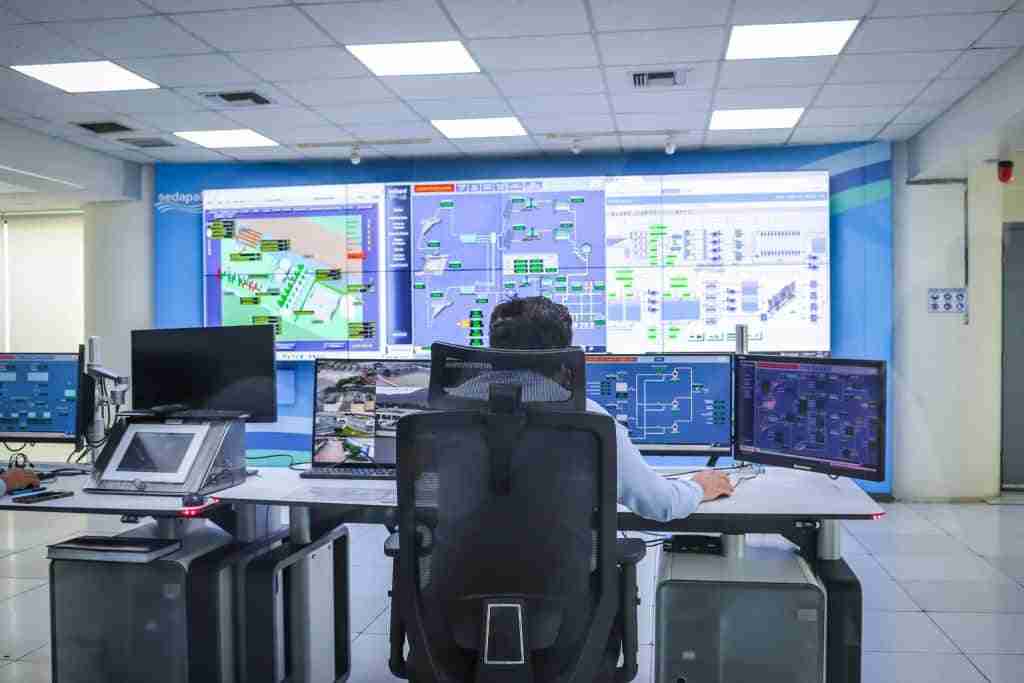
Identifying Vulnerabilities in Systems
Thousands of new vulnerabilities are discovered every year, which is why AI can continuously scan networks, applications, and systems to identify vulnerabilities and weaknesses that could be exploited.
AI scans software code and networks for vulnerabilities and automates patch deployment, helping detect weaknesses in the environment before attackers can exploit them. Instead of relying on periodic checks, this ongoing analysis helps ensure vulnerabilities are detected and addressed early.
For SMBs, this proactive approach reduces the risk of unnoticed gaps in security, especially as systems and software are updated over time.
Monitoring User Activity and Access
AI enables continuous monitoring of how users interact with systems, tracking access patterns, login behaviour, and data usage. This provides businesses with a clearer understanding of who is accessing what and whether that access is appropriate.
If unusual behaviour is detected, such as logins from unfamiliar locations or access outside normal working hours, alerts can be triggered automatically. This helps businesses respond quickly without needing constant manual review.
Detecting Phishing Attempts
Phishing remains one of the most common entry points for cyber attacks, especially for SMBs. AI can analyse email content, sender behaviour, and communication patterns to identify suspicious messages before they reach employees.
By filtering out malicious emails and flagging potential threats, AI reduces the likelihood of human error, one of the biggest causes of security breaches. This adds an extra layer of protection to everyday communication tools.
Generative AI Applications in Cybersecurity
Generative AI can create realistic simulations of cyberattacks and realistic simulations for cybersecurity training, giving teams a safe way to practise incident response before a real breach occurs. It can also support generating synthetic data for safe cyberattack simulations and training.
In addition, synthetic data can help improve security models without exposing real sensitive information. The same capabilities can also be misused by attackers to launch more sophisticated attacks, including scaled phishing, social engineering, and other deceptive activity.
It also generates comprehensive cybersecurity reports from various data sources, with AI language models helping turn raw log data into clear, actionable summaries for leadership and compliance purposes.
What Are the Limitations of AI in Cybersecurity
While AI is a powerful tool, it is not a complete solution on its own. SMBs need to understand its limitations to avoid over-reliance and ensure their security strategy remains effective.

Limitations of AI in Real-World Cybersecurity
AI cannot replace human expertise. While AI-powered security systems can analyse patterns and detect anomalies in real-world environments, they still lack the context, judgement, and decision-making ability needed for complex security situations. Effective AI security also depends on protecting the models, data, and supporting systems themselves.
Human oversight is still essential for interpreting risks and making strategic decisions.
The same AI tools that defend businesses can also be turned against them, and ai models themselves can be targeted, stolen, or manipulated. Organisations also need visibility into AI usage so they can understand how staff and systems are applying these tools in practice.
AI can generate convincing phishing emails, and attackers can also use machine learning tools offensively to automate malware creation, lowering the skill barrier for attacks.
There are also technical risks such as data poisoning and adversarial attacks, where attackers manipulate training data to confuse or bypass AI systems. This means AI tools still need to be monitored and updated to remain effective against evolving threats.
In addition, businesses must consider ethical and compliance factors. AI governance is also important for oversight, risk management, and compliance.
AI systems often rely on analysing user behaviour and large datasets, which can raise concerns around privacy, data handling, and regulatory obligations, particularly for Australian businesses.
How Can SMBs Use AI Without Overcomplicating Security
For SMBs, the goal isn’t to adopt complex AI systems, it’s to use AI in a way that strengthens security without adding unnecessary complexity.
Practical Ways SMBs Can Use AI Effectively
The most effective approach is to combine AI with managed IT services. This helps SMBs choose and configure AI-powered cybersecurity solutions that fit their business needs and integrate with day-to-day operations. It ensures these solutions are properly configured, monitored, and aligned with existing workflows. This approach prevents AI tools from becoming another system that requires constant attention.
It also works best when supported by compatible cybersecurity tools instead of isolated products.
AI should also be used to support ongoing proactive threat hunting, not just prevention. By continuously analysing activity across systems, AI provides visibility that helps identify patterns early and respond quickly when something changes.
Finally, keeping systems simple and scalable is key. SMBs benefit most from straightforward AI-powered solutions that integrate more easily with existing tools like Microsoft 365 and grow alongside the business. This approach is preferable to introducing overly complex setups that are difficult to manage.
How Can XCD IT Brisbane Help You Use AI in Cybersecurity
At XCD IT Brisbane, we help small and medium businesses adopt AI in a way that is practical, effective, and aligned with how they operate day to day.
Rather than introducing complex systems, we focus on integrating AI cybersecurity tools into your existing environment to improve visibility, strengthen protection, and reduce risk. This helps build a stronger security posture without adding complexity.
Our approach includes AI-powered tools that continuously monitor activity across your systems, helping detect unusual behaviour early. This supports data protection and helps with protecting sensitive data across connected cybersecurity systems.
It is combined with advanced threat detection and proactive threat hunting to identify potential risks before they escalate into serious incidents.
With ongoing support and proactive management, we ensure your security remains up to date as threats evolve, with workflows commonly used by security operations centers to improve response consistency.
Most importantly, everything we implement is designed specifically for SMBs, scalable, manageable, and built to support your business without adding unnecessary complexity, including Microsoft 365 integration that also strengthens cloud security and supports scalable data security needs as your business grows.
Is AI the Future of Cybersecurity for SMBs?
AI is rapidly becoming an essential part of modern cybersecurity, but its real value comes from how it works alongside human expertise. For SMBs, this combination provides stronger protection, faster detection, and better visibility without requiring large internal teams.
The key is keeping the approach simple. By integrating AI into your existing systems and combining it with ongoing monitoring and expert support, you can build a security strategy that is both effective and manageable.
At XCD IT Brisbane, we help businesses take that step with confidence, implementing AI-driven cybersecurity solutions that are practical, scalable, and designed to protect your business as it grows.
FAQs About AI in Cybersecurity for SMBs in Australia

- 8+ Best Cybersecurity Companies in Brisbane (2026 Guide for SMBs) - November 7, 2026
- 20 Best Managed IT Service Companies in Brisbane (2026 Guide for SMBs) - November 7, 2026
- Co-Managed IT: How It Works With Your In-House IT Team - November 4, 2026


